Independent writing on peace, conflict, migration and human rights highlights peace studies, UN policy, Rohingya, and digital freedom with regional perspectives.
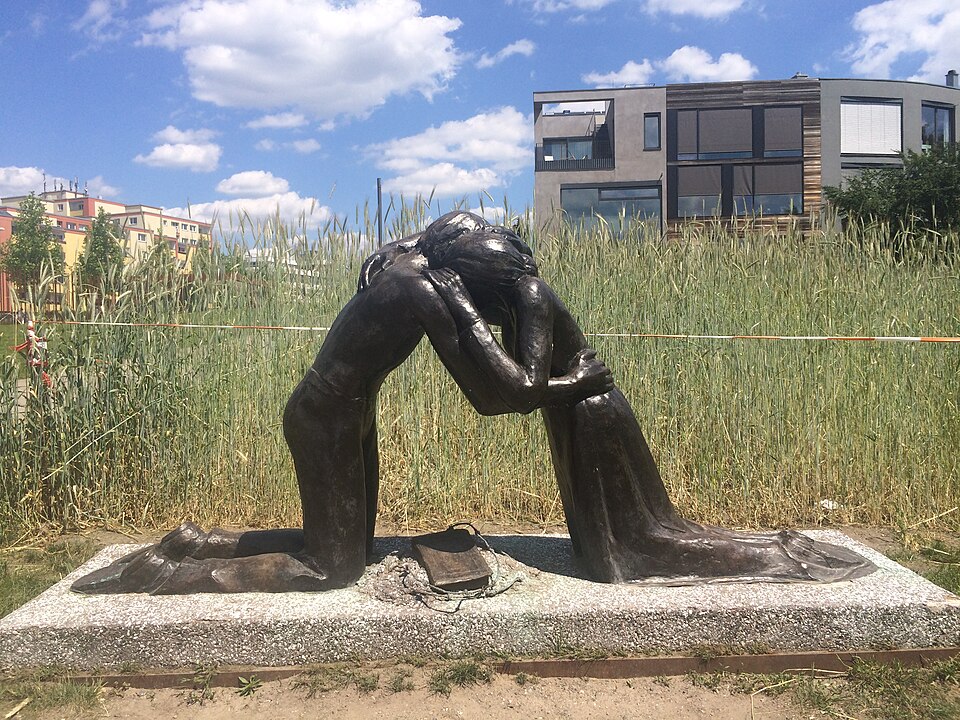
Peace and conflict studies (Author: aconcagua ( talk ) · License: CC BY-SA 3.0 · Source: Wikimedia Commons)
Comparison of article sections by purpose
Section
Purpose
What to expect
How it helps
What this category is about
Defines scope
Short description of peace studies
Helps decide relevance
Why this matters for a general audience
Explains relevance
Bullet of benefits
Guides reader interest
What you’ll see here by region and topic
Regional/topics coverage
Regions list + topics
Lookup by interest
Concrete examples you’ll find here
Real-world cases
Example types
Illustrates applicability
How we curate and present coverage
Curation process
Brief criteria
Assures credibility
Compiled November 2026; check the provider's site for current details.
What this category is about
Peace Studies is an interdisciplinary field that examines how conflicts arise, why they endure, and how sustainable, just solutions can be built. This section curates writing on peace, conflict, migration, and human rights with a focus on real-world impact. We cover topics from human security in Bangladesh to the role of the United Nations in peacemaking, and from civic diplomacy to digital freedom in conflict zones. Our aim is to illuminate how research translates into practice, policy, and everyday resilience.
Key clusters you’ll encounter here include: human security and disaster resilience, conflict analysis and mediation, peacebuilding and post-conflict governance, human rights advocacy and legal frameworks, migration, displacement, and refugee protection, and arts, culture, and dialogue as tools for peace. We also spotlight regional dynamics across South and Southeast Asia, with attention to the Rohingya crisis, cross-border flows, and governance under diverse political systems.
Readers will find analysis tied to current events and policy debates, including how pandemic responses intersect with peace and development, the human security framework in practice, and the evolving global governance of peace in the United Nations system. We present scholarly perspectives alongside practitioner insights, making complex ideas accessible without sacrificing rigor.
Why this matters for a general audience
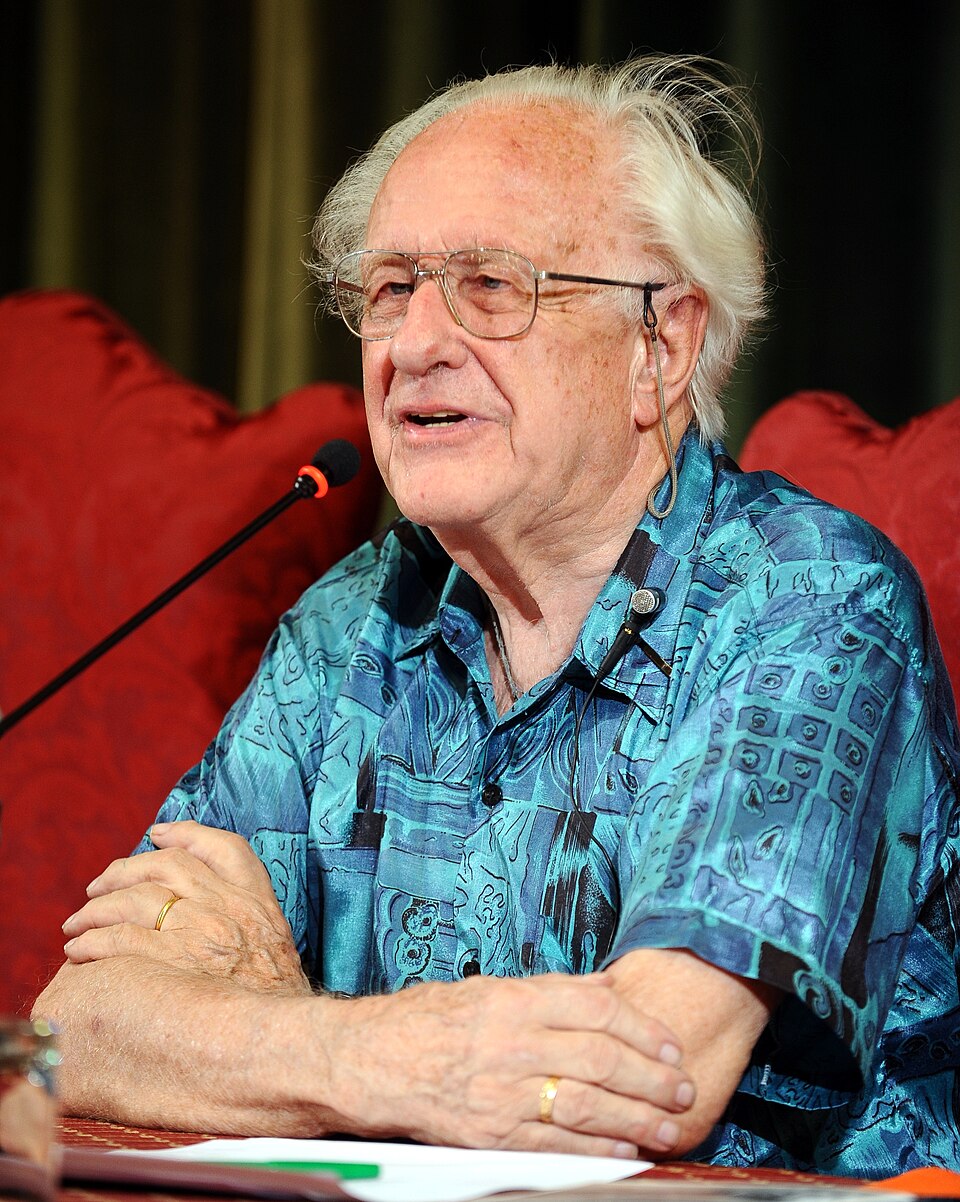
Johan Galtung (Author: Niccolò Caranti · License: CC BY-SA 3.0 · Source: Wikimedia Commons)
Conflict affects daily life—economic stability, migration choices, access to education, and safety online. Understanding peace studies helps readers evaluate news coverage, assess policy options, and engage in informed civic dialogue. This category connects academic concepts to real-world outcomes, from local community initiatives to international diplomacy. 8 Working papers on peace, conflict and the Rohingya crisis in 2026
We recognize how technology intersects with peace work. Digital freedom, information integrity, and cyber security shape both risks and avenues for peaceful change. In practice, peace studies translates to better governance, more inclusive voices in decision-making, and strategies that reduce violence while expanding rights for marginalized communities.
Reader decision guide by region and topic coverage
Region
Topic
Depth
Source variety
Timeliness
Practicality
North America
Conflict resolution
High
Multiple outlets
Fresh
Yes
Europe
Peacebuilding programs
Medium
3 sources
Recent
Yes
Asia
Post-conflict recovery
High
4 sources
Ongoing
Yes
Africa
Human security
Medium
3 sources
Ongoing
Yes
Latin America
Human rights
Medium
2 sources
Recent
Yes
Compiled November 2026; check the provider's site for current details.
What you’ll see here by region and topic
Across articles, we trace how regional realities influence peace trajectories. For example, Bangladesh’s pandemic-era resilience reveals how human security and governance reforms interlock with public health. In Rohingya peacebuilding, arts and civil society initiatives create spaces for dialogue amid statelessness. At the same time, global debates about UN peace operations and transitional justice shape on-the-ground outcomes. What is Ijtema Tablighi Jamaat webinar 2026 official guidelines and organizational structure
We also examine how migration policies and human rights protections operate in practice, from privacy concerns in digital spaces to the rights of displaced communities. The lens is not only academic but also practical: how do policymakers, activists, and communities partner to reduce violence and foster inclusive development?
Concrete examples you’ll find here
Human security approaches to public health crises in South Asia, with concrete policy examples and data-backed analysis.
Rohingya crisis coverage through humanitarian and development perspectives, featuring NGO reports and civil society voices.
Peace and justice studies program highlights, exploring curricula, outcomes, and career pathways.
UN and multilateral perspectives on peace operations, diplomacy, and accountability mechanisms.
Migration and displacement policy debates, including asylum policy, labor migration, and social integration.
To help compare approaches, below is a snapshot of commonly discussed programs and initiatives in this space, with indicative pricing for publicly available courses or memberships where applicable.
Program / Initiative
Typical Focus
Sample Price (USD)
Representative Regions
Peace Studies Certificate (University program)
Foundations in conflict analysis, mediation skills
$1,200–$2,400
Global, with regional centers in North America & Europe
Open Access Journal: Peace Studies
Peer-reviewed articles on mediation, reconciliation
Free access
Global
NGO-led Peacebuilding Fellowships
Field research, community projects, capacity building
Varies; $0–$5,000
South Asia, Southeast Asia, Africa
Readers should note that prices and availability vary by institution and country. For context, well-known providers in this space include the Joan B. Kroc School of Peace Studies and GW Peace Studies programs, which offer diverse pathways from certificate to master’s level, often with international partnerships. The open-access literature and professional associations, such as the Peace and Justice Studies Association, provide additional opportunities to engage without large tuition barriers.
Compiled November 2026; check the provider's site for current details.
How we curate and present coverage
Our approach blends scholarly rigor with accessibility. We favor articles that situate theory within concrete case studies, policy debates, and human experiences. Expect careful analysis of policy developments, governance challenges, and the human dimensions of conflict and peacebuilding. We also showcase how digital platforms, media representations, and cultural interventions contribute to peace in practice.
By design, this section foregrounds voices from diverse perspectives—students, researchers, practitioners, and community organizers—so readers can understand multiple angles on contested issues. We aim for balanced reporting that respects evidence, avoids sensationalism, and highlights practical implications for policy, civil society, and everyday life.
Upcoming themes include the evolving peace and development nexus, privacy rights in conflict zones, and local peace infrastructure development in urban settings. Look for cross-cutting pieces that connect UN policy, human rights, and migration dynamics to how communities build resilience. The webinar on impacts of military coup on Myanmar in 2026: critical insights
A focused exploration of eight 2026 working papers on peace and conflict surrounding the Rohingya crisis, with data sources and methodological notes for researchers.
Explore the official guidelines and organizational structure of the Ijtema Tablighi Jamaat webinar 2026, with sources and context for scholars and readers.
Understanding the documented legal definitions and international responses to Israeli actions in the Palestinian territories from 2020 to 2026, anchored in UN, HRW and other credible sources.